German Royal Baby Names
- Maximiliane
- Notburga
- Oskar
Origin:
German variation of OscarDescription:
Oskar is to Oscar as Jakob is to Jacob: more distinctive and continental.
- Philippine
Origin:
French, feminine variation of PhilippeMeaning:
"lover of horses"Description:
Philippine might be taken as an ethnic identification rather than a name in the U.S. Philippa would be more easily understood, though if you don't mind eternally correcting people, Philippine can make an interesting alternative. Pippa can be a short form of Philippine as well as Philippa.
- Pilar
Origin:
SpanishMeaning:
"pillar"Description:
The fact that this Spanish classic, which honors the Virgin Mary, does not end in the conventional letter 'a' gives it a special sense of strength, elegance, and style, making it a worthy choice.
- Rupprecht
Description:
Rupprecht is a masculine German name with strong historical roots, particularly in Bavaria. It is the German form of Robert, derived from the Germanic elements "hrod" meaning "fame" and "beraht" meaning "bright" or "famous." The name has royal associations, having been borne by several Bavarian princes and nobles throughout history, including Rupprecht, Crown Prince of Bavaria (1869-1955). Though uncommon outside German-speaking regions, Rupprecht maintains a certain dignified presence and historical gravitas. The pronunciation, roughly "ROOP-rekht," preserves its distinctive German character. For parents seeking a name with aristocratic German heritage and a strong, authoritative sound, Rupprecht offers historical depth while being rare enough to be truly distinctive in most contemporary settings.
- Sidonie
Origin:
LatinMeaning:
"from Sidon "Description:
Sidonie is an appealing and chic French favorite that is starting to attract some American fans as a fresher alternative to Sydney. Also spelled Sidony, Sidonie was the birth name of the French novelist Colette.
- Sigismund
Description:
Sigismund is a masculine name of Germanic origin, combining elements meaning 'victory' (sigi) and 'protection' or 'hand' (mund), thus signifying 'victorious protection' or 'conquering protector.' This regal name was borne by Holy Roman Emperors and kings of Hungary and Poland during the Middle Ages and Renaissance. Despite its distinguished history, Sigismund remains exceedingly rare in contemporary usage. The name carries a majestic, medieval quality that appeals to parents seeking an uncommon name with historical depth and strong meaning. Potential nicknames include Sig, Siggy, or Mund. Its formal sound and royal associations give it a distinguished character rarely found in modern names.
- Theodor
Description:
Theodor is a classic masculine name of Greek origin meaning "gift of God," derived from the elements "theos" (God) and "doron" (gift). This spelling variant is particularly popular in Germanic and Scandinavian countries, including Germany, Austria, Norway, and Sweden. While the Theodore spelling is more common in English-speaking regions, Theodor has gained appreciation for its sophisticated European flair. The name has been borne by numerous notable figures throughout history, including composer Theodor Adorno, writer Theodor Herzl, and children's author Theodor Geisel (better known as Dr. Seuss). Theodor offers parents a timeless yet distinguished name option with appealing nickname possibilities including Theo, Ted, and Teddy.
- Tassilo
- Theodolinde
- Ulrich
Origin:
GermanMeaning:
"rich and noble heritage"Description:
Ulrich has ancient roots — it was derived from the Old High German name Uodalrich (also spelled Odalric). Ulrich was a common given name in medieval Germany, when it was associated with St. Ulrich of Augsburg. St. Ulrich is the patron saint of pregnant women and easy births.
- Ulrike
Origin:
Form of Ulrica, feminine form of Ulrich, GermanMeaning:
"rich and noble heritage"Description:
Ulrike and its Anglicized form Ulrica were given to exactly zero baby girls in the US last year, while their masculine form Ulrich was used for a dozen baby boys. U is the least common first initial for baby names in the US, making Ulrike extra unique. Ulrich and variations is German and means "rich and noble heritage".
- Viktoria
Description:
Viktoria is the Eastern European and Germanic spelling of Victoria, a name derived from Latin meaning 'victory.' This variation maintains the powerful meaning while giving it a distinctive continental European flair. Particularly popular in countries like Russia, Germany, Hungary, and across Eastern Europe, Viktoria carries a sense of strength and triumph. The 'k' spelling gives the name a sharp, dynamic quality that differs slightly from the softer 'c' version. While less common in English-speaking countries, global connections have increased its usage worldwide. Viktoria combines classical heritage with cross-cultural appeal, making it both timeless and contemporary for parents seeking a name with established roots but a distinctive character.
The Nameberry App Is Live
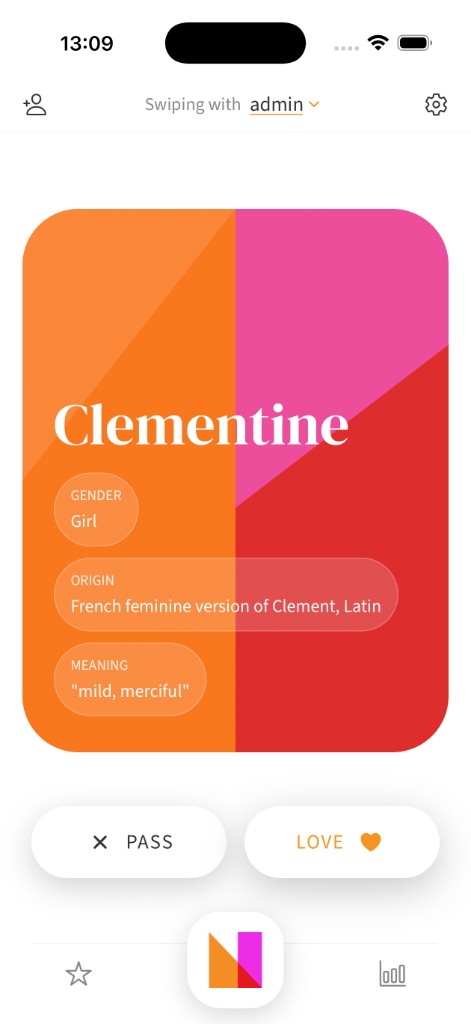
- Swipe through thousands of names with your partner
- Names you match on are saved to your shared list
- Get personalized recommendations that learn based on your and your partner's preferences
- Partner with friends and family to find names you all love
- Backed by Nameberry's 20 years of data around name preferences.