
International Variations of George


Timeless and classic with a royal charm, George has been a well-used boy name for as long as data has been kept.
There are several handsome forms of George used across the globe, such Spanish Jorge, Russian Yuri, Cornish Jory, and Italian Giorgio.
Here is our full list of international variations of George, ordered by their current popularity on Nameberry.
RELATED:
- George
Origin:
GreekMeaning:
"farmer"Description:
Iconoclasts though we may be, we like Fred, we like Frank, and we like George, which was among the Top 10 from 1830 to 1950, when the number of little Georges started to decline. Solid, strong, royal and saintly, yet friendly and unpretentious, we think that George is in prime position for a comeback, especially since it was chosen by Britain's royal couple.
- Jory
Origin:
Cornish variant of George, or diminutive of JordanDescription:
A rarely-used name even in its native Cornwall, Jory nevertheless feels very wearable, thanks to its similarity to familiar picks like Rory, Corey and Joey. Jory Cassel is a minor character in the first season of Game of Thrones.
- Jorge
Origin:
Spanish and Portuguese variation of GeorgeDescription:
The classic Jorge is one of the most popular and classic Spanish names for boys in the US. Some Latine families pronounce it the same way as George.
- Yuri
Origin:
Russian variation of GeorgeDescription:
Common Russian name familiarized here via cosmonaut Yury Gagarin and a character in Dr. Zhivago, but we don't see it ever gaining permanent resident status.
- Geordie
Origin:
English demonymDescription:
Though it looks, to the untrained American eye, like a yoonek spelling of Jordy, Geordie actually refers to people from Tyneside in Northeast England and the local dialect there. To give you a sense of what it implies to Brits, Geordie Shore is British MTV's long-running answer to Jersey Shore.
- Egor
Origin:
Variation of Igor, Old Norse via RussianMeaning:
"warrior"Description:
Egor is a Slavic masculine name, primarily used in Russia and Eastern Europe. It is a variant of the name Igor, which derives from the Old Norse name Ingvarr, composed of 'Ing' (a Germanic god) and 'varr' (warrior). Egor gained popularity in Russia during the 19th century and remains a common name there today. In Western countries, the name is less common but has seen occasional use among families with Slavic heritage. Its pronunciation varies slightly across regions, with the Russian version sounding like 'YEH-gohr'. The name conveys strength and carries historical significance in Slavic cultures.
- Jordi
Origin:
Catalan variation of GeorgeDescription:
To the American ear, Jordi seems like a nickname for Jordan, which means this popular name from Catalonia could certainly cross cultures.
- Seoirse
Description:
Seoirse is the traditional Irish Gaelic form of George, a masculine name with ancient Greek origins. The name derives from 'Georgios', meaning 'farmer' or 'earth-worker', from the Greek elements 'ge' (earth) and 'ergon' (work). Pronounced approximately as 'SHOR-sha', it represents the distinctive way Irish Gaelic adapted the classic name to fit its phonetic patterns. While George has been immensely popular across the English-speaking world, Seoirse remains relatively uncommon outside Ireland, giving it a strong cultural distinctiveness. The name carries connections to Ireland's heritage and language preservation efforts, making it particularly meaningful for families with Irish roots who wish to honor their cultural traditions while using a name with global historical significance.
- Jörg
Description:
Jörg is a Germanic masculine name, primarily used in Germany, Austria, and Switzerland. It's a variation of George, which derives from the Greek 'georgos' meaning 'farmer' or 'earth-worker.' The distinctive umlaut over the 'o' gives the name its characteristic German pronunciation, roughly like 'yerg.' Jörg gained popularity in German-speaking regions during the medieval period and has maintained steady usage since then, though it's less common among younger generations today. The name carries connotations of reliability and strength in Germanic cultures. It's generally perceived as a traditional, solid name that conveys a sense of dependability and cultural heritage. Outside German-speaking countries, the name is quite rare and might present pronunciation challenges due to the umlaut, but it offers a distinctive European flair.
- Geordi
Description:
Geordi is a masculine name that gained recognition primarily through the character Geordi La Forge from the television series 'Star Trek: The Next Generation,' portrayed by LeVar Burton. The name appears to be a variation of George, which derives from Greek origins meaning 'farmer' or 'earth-worker.' While relatively uncommon, Geordi has a friendly, approachable quality with its soft ending, distinguishing it from the more formal George. The Star Trek association gives the name a modern, futuristic feel that appeals to science fiction enthusiasts. The name bridges traditional and contemporary naming styles, offering familiarity while remaining distinctive.
- Giorgio
Origin:
Italian variation of GeorgeMeaning:
"farmer"Description:
Giorgio as is rich in meaning and history as George, but with more Italian flair. It's a consistent Top 50 hit in Italy, and with Italian boy names like Gianni and Lorenzo rising through the charts, could be another one to add to the mix.The best-known modern bearer is fashion designer Giorgio Armani.
- Yoyi
Description:
Yoyi is a distinctive masculine name with multicultural resonance. Likely originating from nickname traditions in Spanish-speaking cultures, it may be a diminutive or affectionate form of names like Yoel or Jorge. The repetitive vowel sound creates a melodic, cheerful quality that makes it memorable and friendly. In some cultures, particularly Latin American communities, Yoyi might function as a familiar nickname before evolving into a formal given name. The name's brevity and distinctive sound pattern make it easy to pronounce across language barriers. Though uncommon in official records, Yoyi represents the trend toward shorter, globally accessible names with a playful quality. Its rarity makes it a distinctive choice for parents seeking a name with a joyful sound.
- Deorsa
Description:
Deorsa is the Scottish Gaelic form of the name George, primarily used in the Scottish Highlands and Western Isles. Pronounced roughly as 'JOR-sha,' it derives from the Greek name Georgios (Γεώργιος), meaning 'farmer' or 'earth-worker,' from 'ge' (earth) and 'ergon' (work). While George became widely popular throughout English-speaking regions, Deorsa remained specific to Gaelic-speaking communities. The name carries cultural significance in Scotland, representing both traditional Gaelic heritage and connections to several notable Scottish historical figures. Though rare outside Scottish Gaelic circles, Deorsa has seen modest revival among families reclaiming their Gaelic linguistic heritage. The name offers parents a distinctive alternative to the more common George while maintaining its historical meaning and providing a strong connection to Scottish cultural identity.
- Juraz
Description:
Juraz is a masculine name with Slavic origins, particularly found in Slovak and Croatian naming traditions. It likely developed as a variation of names like Juraj (the Slavic form of George) or possibly from Jerzy. The name carries connotations of strength and agricultural prosperity through its etymological connection to George, which means 'farmer' or 'earth-worker.' Juraz remains relatively uncommon outside Eastern European countries and diaspora communities. Its distinctive 'z' ending gives it a contemporary sound while maintaining its traditional Slavic roots. The name offers a strong cultural connection to Central and Eastern European heritage while being relatively short and accessible for international use.
- Georgi
Origin:
Russian variation of GeorgeDescription:
Spelling it with a double I -- GEORGII -- makes it ultradistinctive, and less a generic Georgie.
- Georgios
Origin:
GreekMeaning:
"farmer"Description:
The original Greek form of the name that has variations in many cultures and languages, most prominently in English George.
- Georges
Origin:
French form of George, from GreekMeaning:
"farmer"Description:
The S may confuse English speakers, but it's a French classic.
- Georg
Description:
Georg is a masculine name representing the Germanic and Scandinavian form of George, ultimately derived from the Greek name Georgios (Γεώργιος), meaning "farmer" or "earth-worker" from the elements "ge" (earth) and "ergon" (work). This variant has been particularly popular in German-speaking countries, the Nordic nations, and parts of Eastern Europe for centuries. Notable bearers include composer Georg Friedrich Händel, mathematician Georg Cantor, and physicist Georg Ohm. Unlike the English George, Georg is typically pronounced with a hard 'g' sound at the end (gay-org). While relatively uncommon in English-speaking countries, the name maintains steady popularity in Germany, Austria, and Scandinavian countries, where it is appreciated for its classic, dignified character and cultural heritage.
- Jorgen
Origin:
Danish variation of GeorgeDescription:
Anglicizing it to a phonetic pronunciation might make it easier.
- Séoras
Description:
Séoras is the traditional Scottish Gaelic form of George, ultimately derived from Greek 'georgos' meaning 'farmer' or 'earth-worker.' Pronounced roughly as 'SHORE-uss' or 'SHAW-russ,' this name carries deep cultural significance in Scottish Highland traditions. The accent over the 'e' indicates a specific pronunciation in Gaelic phonetics. Séoras remains relatively uncommon outside Scotland and Scottish diaspora communities, where it serves as a way to honor Scottish heritage while using an authentic Gaelic form rather than an anglicized equivalent. The name has a melodic quality when properly pronounced and connects the bearer to centuries of Scottish history and literature. Though it may present pronunciation challenges in non-Gaelic speaking areas, Séoras offers a distinctive option for families with Scottish connections seeking a name with genuine cultural roots.
The Nameberry App Is Live
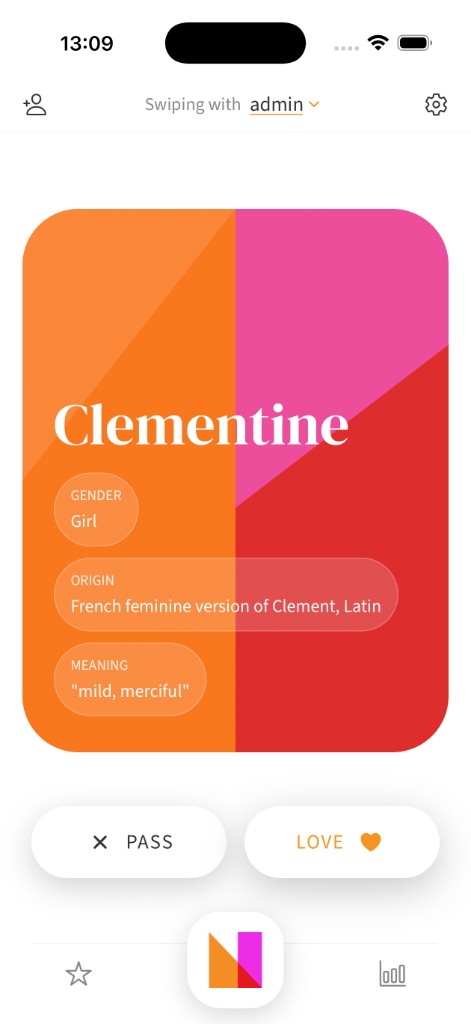
- Swipe through thousands of names with your partner
- Names you match on are saved to your shared list
- Get personalized recommendations that learn based on your and your partner's preferences
- Partner with friends and family to find names you all love
- Backed by Nameberry's 20 years of data around name preferences.