
Unnamed List

By mlmommy
Updated Wed Mar 31 2021
Share
Copy link
- Isolde
Origin:
Welsh, GermanMeaning:
"ice ruler"Description:
Sleek, sharp, and soulful, Isolde is the German form of Iseult, the fabled lover of Tristan in the Arthurian romances. First appearing in the 12th-century, the name was fairly popular in the form of Iseult, Yseut, Yseult, and Ysolt, however, it wasn't until the 19th-century that this form began to catch on, after the composer Richard Wagner used it for his 1865 opera (and for his own daughter!)
- Seraphina
Origin:
HebrewMeaning:
"ardent; fiery"Description:
Seraphina is one of the most-searched name on Nameberry, destined for even greater popularity. The highest-ranking angels, the six-winged seraphim, inspired the lovely name Seraphina.
- Anastasia
Origin:
Greek, feminine variation of AnastasiosMeaning:
"resurrection"Description:
Anastasia is the feminine form on Anastasius, a Greek name derived from the word anastasis, meaning "resurrection." It was a common name among early Christians, who often gave it to daughters born around Christmas or Easter. There are handful of saints named Anastasia, including the patron saint of weavers.
- Cecilia
Origin:
Feminine form of Cecil, LatinMeaning:
"blind"Description:
Cecilia is a lovely classic name deservedly enjoying a new turn in the sun. Always among the Top 500 girls' names in the US, Cecilia is now at its highest point ever.
- Francesca
Origin:
Italian variation of Frances, LatinMeaning:
"from France or free man"Description:
Francesca is a lighter and much more feminine choice than the classic Frances, and one that is increasingly popular with upscale parents.
- Alistair
Origin:
English spelling of Alasdair, Scottish version of AlexanderMeaning:
"defending men"Description:
With many British names invading the Yankee name pool, the sophisticated Alistair could and should be part of the next wave. It debuted in the US Top 1000 in 2016. You have a triple choice with this name--the British spell it Alistair or Alastair, while the Scots prefer Alasdair--but they're all suave Gaelic versions of Alexander. Adopted by the lowland Scots by the seventeenth century, the name didn't become popular outside Scotland and Ireland until the twentieth century.
- Frederick
Origin:
GermanMeaning:
"peaceful ruler"Description:
Frederick, and friendlier nickname Fred, seemed almost to have disappeared, leaving just the memory of Freds past such as Astaire, Mr. Rogers and Flintstone. But today's parents are beginning to recognize it as a strong classic and one of the top royal baby boy names.
- Emilia
Origin:
Feminine variation of Emil, LatinMeaning:
"rival"Description:
Emilia is the feminine form of the Roman clan name Aemilius, which derived from the Latin aemulus, meaning "rival." In Shakespeare’s Othello, Emilia is the wife of Iago and confidante of Desdemona. Amelia, although homonymous, has a different root and meaning.
- Beatrix
Origin:
LatinMeaning:
"she who brings happiness; blessed"Description:
Beatrix has a solid history of its own apart from Beatrice, with that final x adding a playful, animated note to the name's imposing history and stately vibe.
- Lenora
Origin:
English, contracted form of LeonoraMeaning:
"light"Description:
A lovely (and uncommon) longer form for Nora, one of the most fashionable international nickname names around. Lenora fell off the US charts in the 70s, but just re-entered in 2022 as parents' love for short forms Leni and Nora is growing.
- Rosalind
Origin:
LatinMeaning:
"soft horse or pretty rose"Description:
Rosalind has a distinguished literary history – used and popularized by Edmund Spenser and Shakespeare via one of his most charming heroines, in As You Like It. Along with a bouquet of other Rose names, Rosalind might be ready for a comeback.
- Leonardo
Origin:
Italian and Spanish variation of Leonard, GermanMeaning:
"brave lion"Description:
For centuries this name was associated primarily with the towering figure of Italian Renaissance painter-scientist-inventor Leonardo da Vinci, and was scarcely used outside the Latin culture.
- Casimir
Origin:
English; French, from PolishMeaning:
"destroyer of peace"Description:
Casimir, a traditional name of Polish kings, could do quite well these days as we see the rise of Caspian, Cassius, Castiel, et. al. Like Leopold and Laszlo, Casimir is strong and worth considering if you've got an adventurous streak — and bet your son will too.
- Augustus
Origin:
LatinMeaning:
"great, magnificent"Description:
Parents are beginning to look at imposing, somewhat fusty-sounding names like this one with fresh eyes: they definitely make a strong statement.
- Tatiana
Origin:
Russian, from Latin family name Tatius, meaning unknownDescription:
Classic yet spritely, Tatiana has long been familiar and popular in Russia and Eastern Europe, though it wasn't until the 80s that it caught on in the English-speaking world. With short forms Tiana, Tati, and Tanya, it is a versatile choice that has nevertheless seen a decline in use in recent year.
- Julius
Origin:
LatinMeaning:
"youthful, downy-bearded"Description:
Immortal through its association with the ancient Caesar (it was his clan name), Julius may still lag behind Julian, but is definitely starting to make a comeback, and in fact feels more cutting edge, in line with the current trend for Latin -us endings.
- Brutus
Origin:
LatinMeaning:
"heavy, dull"Description:
Brutus is the quintessential brute--far too close to the word brutal. And any child with this name would spend much of his life hearing "Et tu."
- Hadrian
Origin:
LatinMeaning:
"from the Adriatic; dark-haired"Description:
Most parents would find this old Roman name pretentious compared to the more accessible Adrian, but some history buffs just might want to commemorate the enlightened emperor.
- Katarina
Origin:
Slovak; Swedish; Serbian; Croatian; Slovenian, variation of KatherineMeaning:
"pure"Description:
The Russian version of Katherine is usually Ekaterina, but this form is used throughout Eastern Europe and may be more friendly to the American ear.
- Julianna
Origin:
LatinMeaning:
"youthful or sky father"Description:
Together with Julian, the name Juliana/Julianna derives from Julius, a Roman family name. Its origin is shrouded by history, but possible roots include Latin iuvenis, meaning "youthfu"; Greek ioulos, meaning "downy-bearded"; or Jovis, a form of Jupiter, which means "sky father".
The Nameberry App Is Live
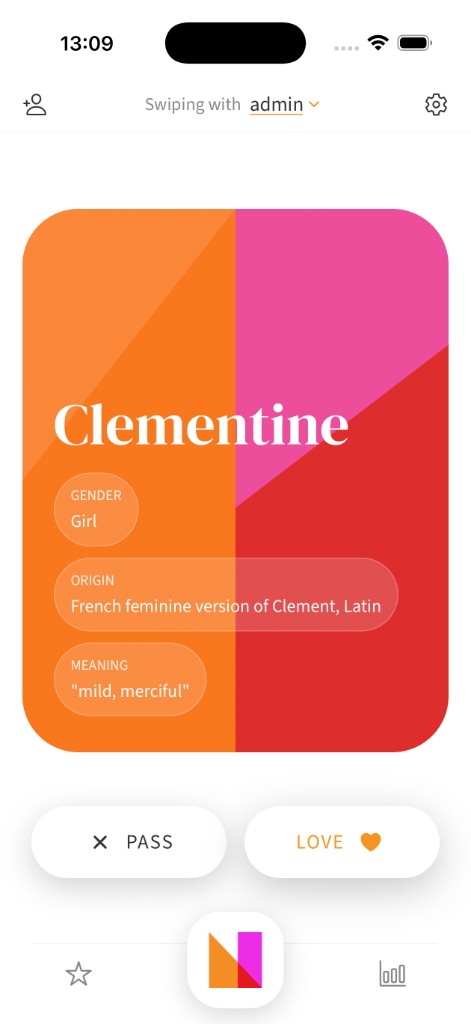
Find your perfect baby name together in our app, now available on the App Store and Google Play.
- Swipe through thousands of names with your partner
- Names you match on are saved to your shared list
- Get personalized recommendations that learn based on your and your partner's preferences
- Partner with friends and family to find names you all love
- Backed by Nameberry's 20 years of data around name preferences.